

What the River Taught Me About Leaving
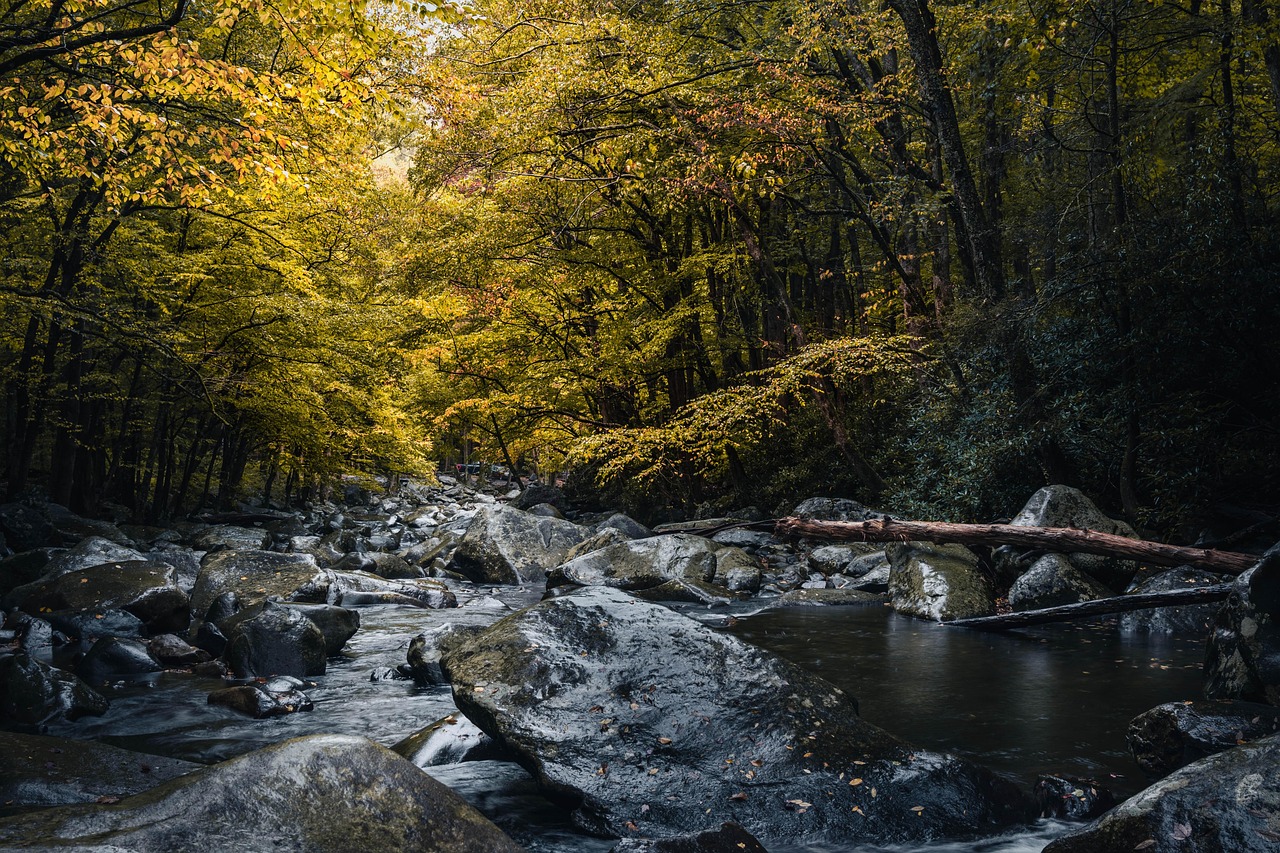
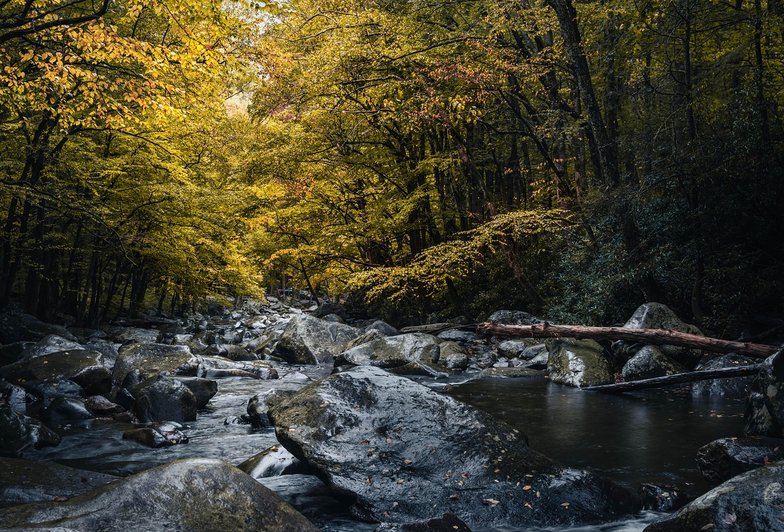
The house was cheap because the river had gotten close. Not dangerously close—the realtor was careful to say that—but close enough that on spring nights you could hear it through the closed windows, a low continuous sound like a room full of people murmuring. I signed the lease in March. By April I understood that I had not moved into a house beside a river. I had moved into a house beside a departure.
Rivers are the most honest things in nature. They do not pretend to stay. Every drop of water passing my window that year was already gone, already committed to somewhere downstream, and yet the river itself seemed permanent—the shape, the sound, the way the light broke on it at seven in the evening. This is the paradox I lived inside for twelve months: everything leaving, nothing absent.
I was in the middle of my own leaving, though I did not know it yet. I had moved to that house to be closer to a job I would quit by autumn, a relationship that would end by winter. I thought I was settling in. The river knew better. The river had been practicing departure for ten thousand years and had grown graceful at it.
The Discipline of Going
What I learned from watching water is that leaving does not have to be violent. A river does not tear itself away from its source. It simply continues, and the continuing is the leaving. There is no moment when the water decides. There is only the slope, and the willingness to follow it.
I started taking my coffee down to the bank in the mornings. I watched sticks and leaves make their slow transit. I watched a plastic bottle that had escaped someone's recycling and thought about how even our garbage gets carried somewhere. I watched the herons, who leave constantly—every few minutes, a new location—and yet give the impression of belonging entirely.
By the time I packed my boxes, I understood that I had been living beside a teacher. The river never once asked me to stay, and never once made me feel abandoned. It simply flowed, and let me flow alongside it, and when my own slope arrived, I followed it the way I had watched the water follow its own: without drama, without apology, with the quiet confidence of something that knows the way downhill is also the way forward.
I drive past that house sometimes. The river is still there. It looks exactly the same and is entirely different, which is, I think, the most accurate description of anyone who has ever left anything.


On the year I lived beside a river that was always on its way somewhere else.
A poem for the late-summer river, when the stones remember what the current forgot.
For thirty years she came to the same bend of the river, and the birds came to her.
The cold months strip a river down to its essentials, and teach you to see what summer hides.
A prose poem about lying awake beside a river and learning that darkness has its own current.