



The Flood That Remembers
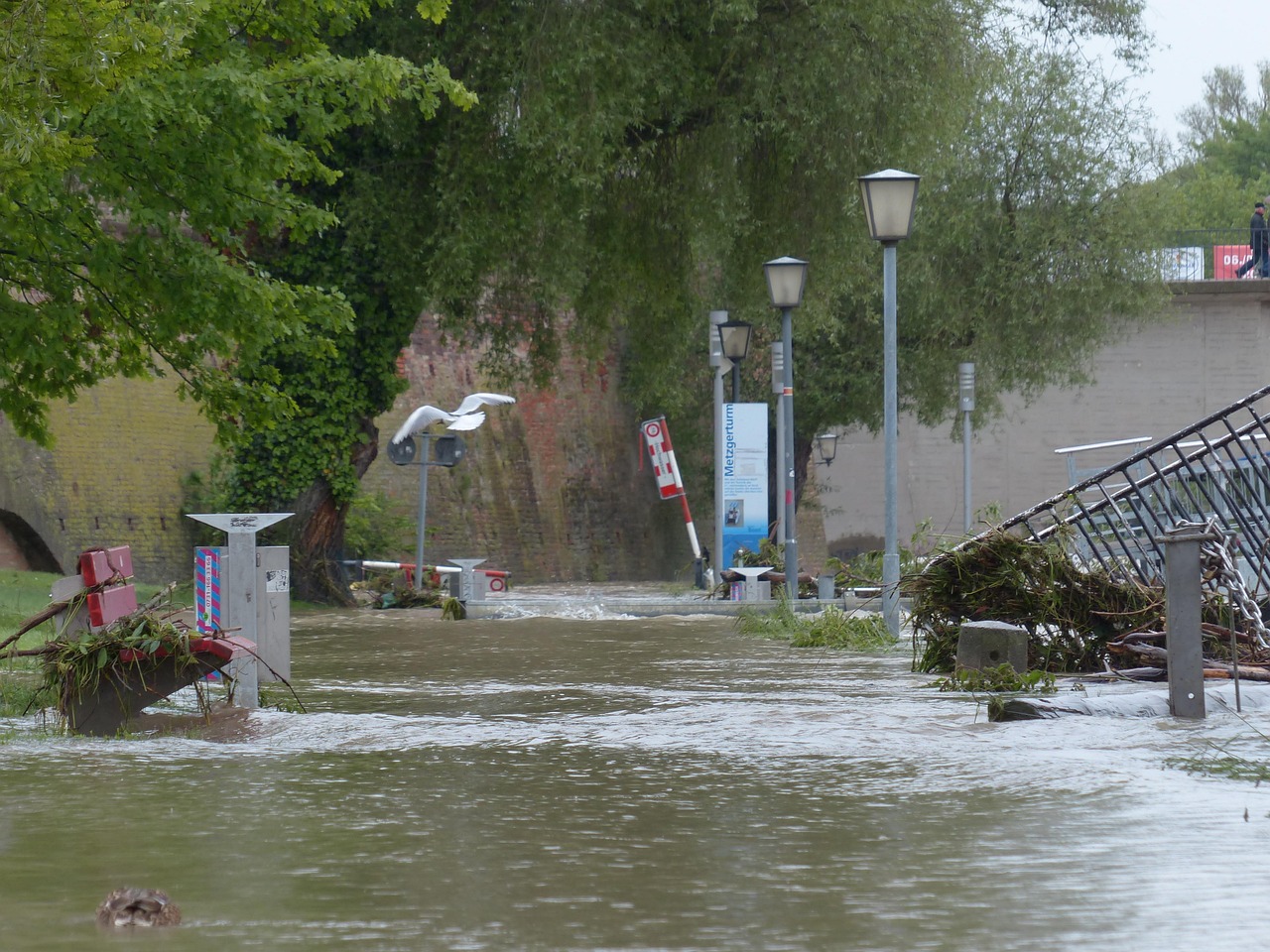
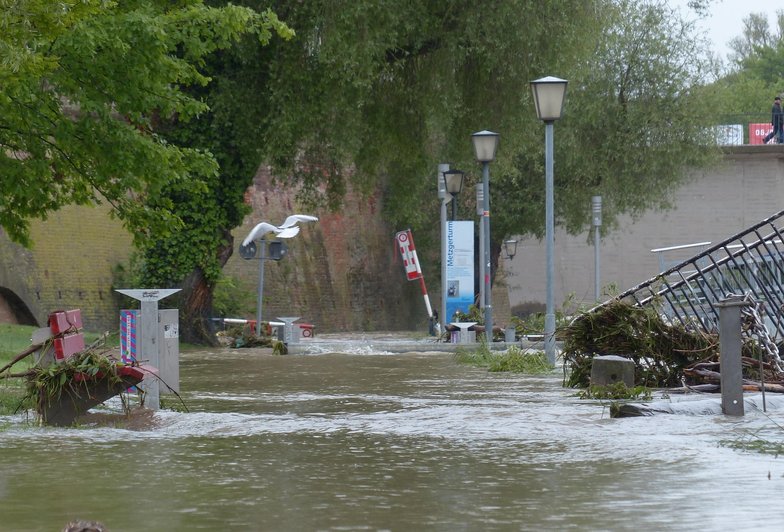
Every spring, the river came over its banks and into the lower part of town, and every spring, most people left. They had it down to a routine. Sandbags. Plywood. Cars parked on the high side of Main Street. A week at a relative's house in the next county, and then back to mop the floors and throw away the ruined drywall and pretend it had not happened.
Elias did not leave. He had lived in the same house on River Street for forty-one years, and he had stopped leaving the third time the water came. He had learned its language by then. He knew how to read the color of the current, the sound of the rain on the roof, the way the frogs went quiet just before the crest. He knew which floorboards would float and which would stay put. He knew which neighbors would need help and which would not.
He had also learned that the flood, for all its violence, was not malicious. It was just water doing what water does. It did not hate him. It did not hate anyone. It simply came, and it went, and it left behind a thin layer of silt that made the garden grow like nothing else.
The Year the Water Stayed
The spring of the big flood, the water came higher than anyone had seen. It filled the first floor of Elias's house and kept rising. He moved upstairs with a camp stove, a battery radio, and a cooler of food, and he waited.
The water stayed for nine days. On the third day, he saw a deer swim past his living room window. On the fifth day, he heard a piano playing from somewhere down the street — someone had left a radio on, and the sound carried across the water in a way that made him feel like he was in a dream. On the seventh day, he ran out of coffee and drank tea made from river water, boiled twice, and it tasted like the river, which is to say it tasted like home.
On the ninth day, the water began to drop. He watched it go the way you watch a friend leave — with sadness, but also with relief.
What the Silt Left Behind
When the water was gone, Elias walked through his house and took stock. The floors were ruined. The walls were stained. The furniture was a loss. But in the corner of the living room, where the water had pooled and then drained, there was a small, perfect deposit of silt — a little fan of sand and tiny stones, arranged by the current in a pattern that looked almost deliberate.
He did not sweep it away. He left it there. He still leaves it there. Every spring, when the river rises, he watches the corner of the living room, and when the water comes in, he lets it. He lets it pool. He lets it drain. He lets it leave its little signature on the floor.
His neighbors think he is stubborn. His daughter thinks he is sentimental. But Elias knows the truth. He is neither. He is simply a man who has learned that some things are worth staying for — even the things that flood. Especially the things that flood. Because the flood remembers. And so does he.



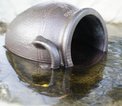

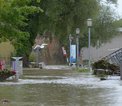

A short story about a town that floods every spring, and the one resident who refuses to leave.
An essay on the different kinds of quiet you can find along a river, and how to listen for each one.
A retired mapmaker spends his mornings charting a creek that refuses to stay where he drew it.
On the year I lived beside a river that was always on its way somewhere else.
A poem for the late-summer river, when the stones remember what the current forgot.