
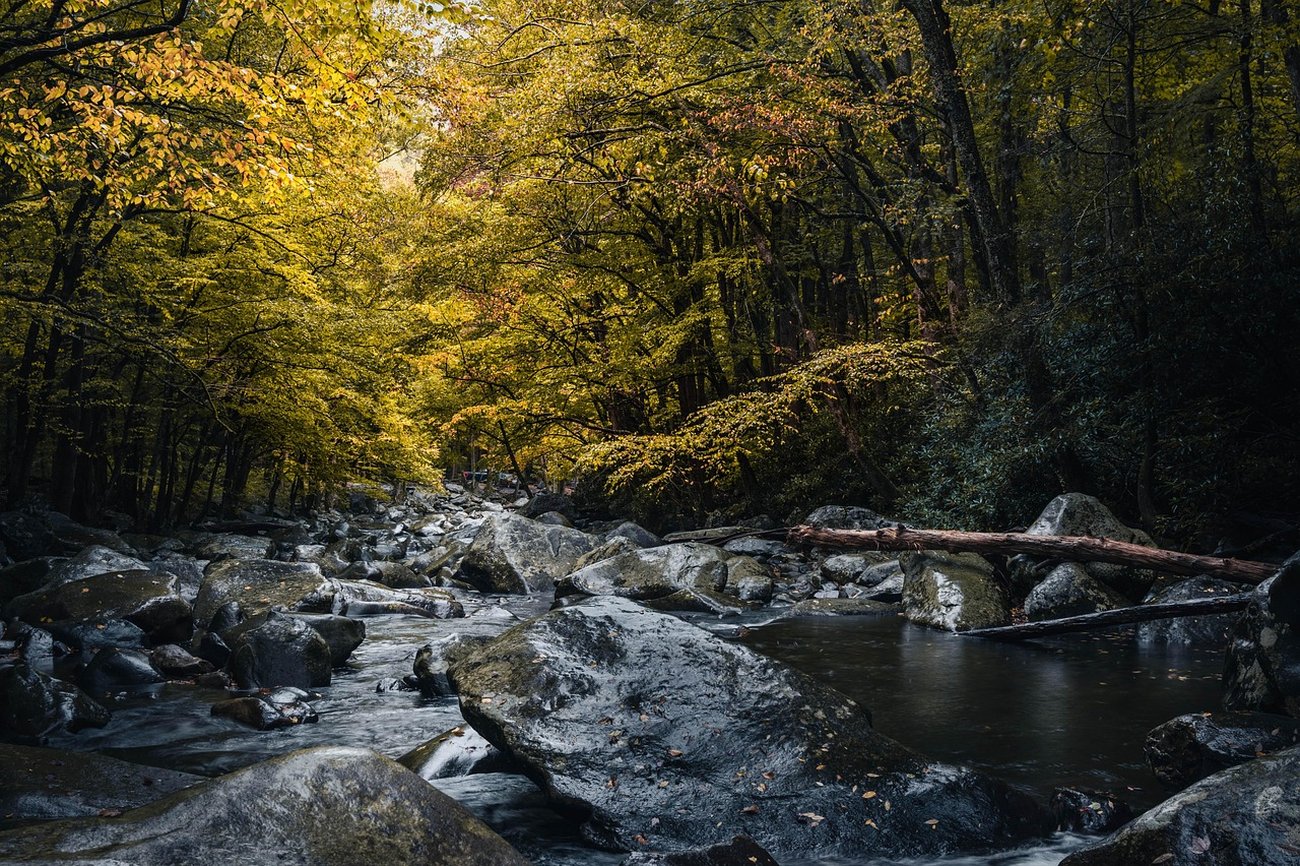

The Girl Who Kept a River in Her Pocket
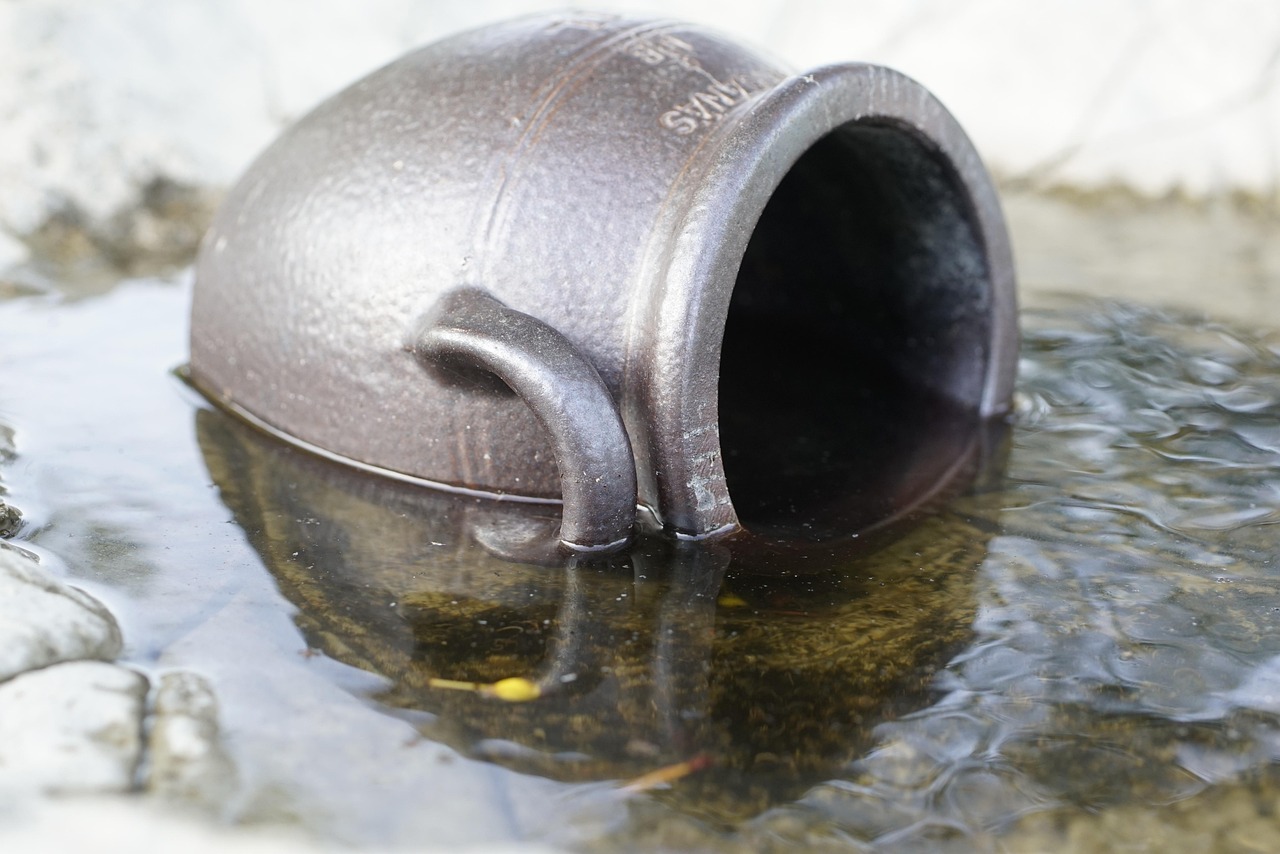
Mira was seven when she first scooped a jar of river water and hid it in the pocket of her coat. She did not tell anyone. She did not fully know why she did it. She only knew that the river behind her grandmother's house had looked so alive that afternoon — flashing and turning and catching the light like a handful of thrown coins — that leaving it behind felt like a small betrayal.
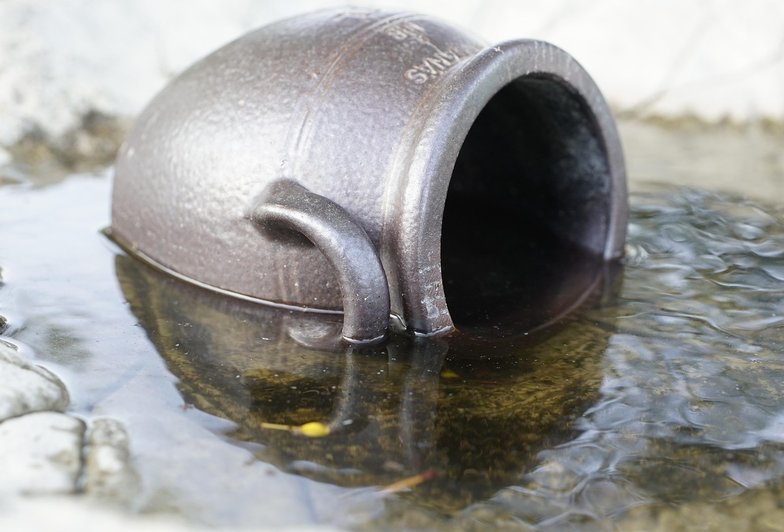
So she took some with her. A jam jar, lid screwed tight, tucked against her ribs. She could feel it sloshing gently as she walked, a tiny tide keeping time with her steps.
That night, in her bed three towns away, she unscrewed the lid and listened. She had expected nothing. She heard the river. Not loudly — not the way it sounded when you stood on the bank — but faintly, the way you hear a song from another room. A murmur. A turning. A soft insistence.
She screwed the lid back on and put the jar on her windowsill. She did not sleep well, but she did not mind.
The Jar Becomes a Habit
After that, Mira collected rivers the way other children collected stamps. Every trip, every visit, every long drive that crossed a bridge — she would ask to stop, and she would fill a jar. The Sandy. The Willamette. A creek behind a rest stop in Idaho whose name she never learned. She labeled each one with masking tape and a Sharpie, writing the date and whatever she could remember about the light that day.
Her windowsill became a row of small, cloudy worlds. Some were green. Some were brown. One, from a mountain stream, was so clear it looked like nothing at all until you tilted it and saw the light bend.
She noticed, over time, that the jars did not sound the same. The creek from Idaho whispered. The Willamette hummed. The Sandy, which she had collected on a windy afternoon when the water was high and fast, made a sound like someone talking quickly in another room.
Her mother asked her once why she kept them. Mira thought about it for a long time.
"Because they still know where they came from," she said.
What the Jars Taught Her
Mira is older now. The jars are gone — broken, evaporated, poured back into various rivers over the years. But she still thinks about them. She thinks about how a jar of water, sealed and still, will hold its memory of motion for a while. Not forever. Eventually it goes flat. Eventually it becomes just water.
But for a time, it remembers.
She has decided this is true of people too. We carry our rivers in us — the places we came from, the currents that shaped us — and for a while we still slosh with the old motion. We still hum with the old sound. And then, slowly, we go still, and we become whatever we are becoming.
She does not think this is sad. She thinks it is how it should be. A river is not meant to stay in a jar. A girl is not meant to stay a girl. But the remembering — the long, slow remembering — that is the part worth keeping. That is the part that makes the walking away possible.
She still stops at bridges. She still listens.




A tiny fable about a girl who collects river water in a jar and discovers it remembers where it came from.
An essay about the lost art of moving through water without urgency, and what the river notices.
A short story about a town that floods every spring, and the one resident who refuses to leave.
An essay on the different kinds of quiet you can find along a river, and how to listen for each one.
A retired mapmaker spends his mornings charting a creek that refuses to stay where he drew it.