


Reading a River in Winter
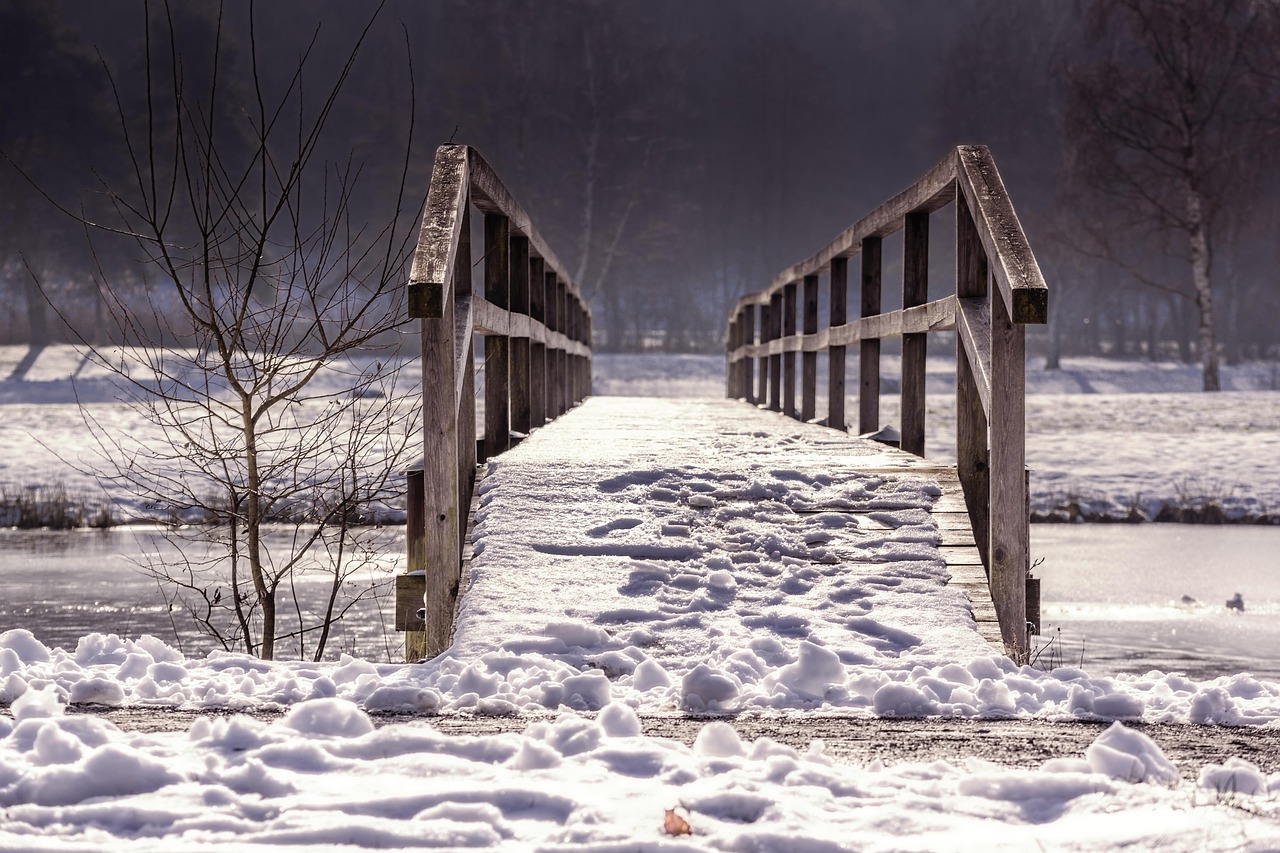
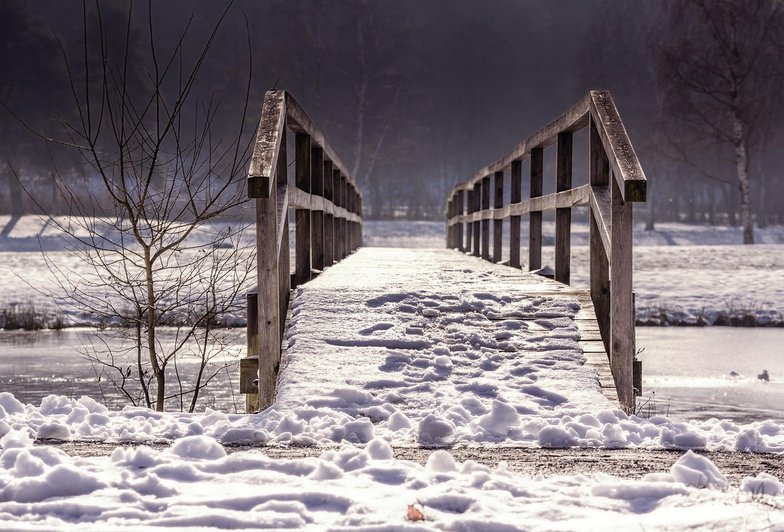
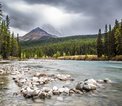
Winter is when a river stops performing. The summer river is all surface—sparkle, riffle, the flash of a fish, the complicated light. It is beautiful and it is busy, and busyness is a kind of disguise. In winter the disguise comes off. The water runs clear and cold and slow, and you can see all the way to the bottom, and what you see is the truth of the place: the stones, the sunken branches, the deep pools where the current rests.
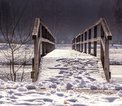
I started walking the same stretch of river every winter about a decade ago, not out of discipline but out of a kind of seasonal hunger. Summer rivers are social. There are kayakers, fishermen, dogs splashing at the edges. Winter rivers are private. You will walk for an hour and see no one. The snow on the banks holds the only tracks, and most of them belong to deer and fox and the occasional otter, who does not care that you are there.
The first thing winter teaches you is patience. In summer you can skim a river with your eyes and feel like you have seen it. In winter you have to slow down, because the river has slowed down, and the information it is offering is smaller and more precise. A particular stone. A particular eddy. The way ice forms first at the edges, reaching inward like something remembering.
The Sound of Cold Water
Cold water sounds different. This is not a metaphor. Warm water is louder—it carries more energy, more motion, more noise. Cold water is denser and quieter, and the sound it makes is lower, almost subterranean, as if the river is speaking from somewhere beneath itself. Stand beside a winter river long enough and you will start to hear things you missed in July: the tick of ice shifting, the small collapse of snow off an overhanging branch, the almost-silence between one riffle and the next.
What I have come to understand is that winter is not the river's off-season. It is the river's honest season. Everything that summer decorates, winter clarifies. The stones that were hidden under glare are now visible. The deep places announce themselves by their stillness. The current, stripped of its drama, reveals its actual shape—and its actual shape is more interesting than the sparkle ever was.
I do not love the winter river more than the summer one. That would be a kind of disloyalty. But I trust the winter river more. It has nothing to sell me. It is simply there, cold and clear and patient, doing what it has always done, showing me what it has always been. When spring comes and the surface returns, I will miss this clarity. But I will remember it. That is what winter is for.
The cold months strip a river down to its essentials, and teach you to see what summer hides.
A prose poem about lying awake beside a river and learning that darkness has its own current.
A tiny fable about a girl who collects river water in a jar and discovers it remembers where it came from.
An essay about the lost art of moving through water without urgency, and what the river notices.
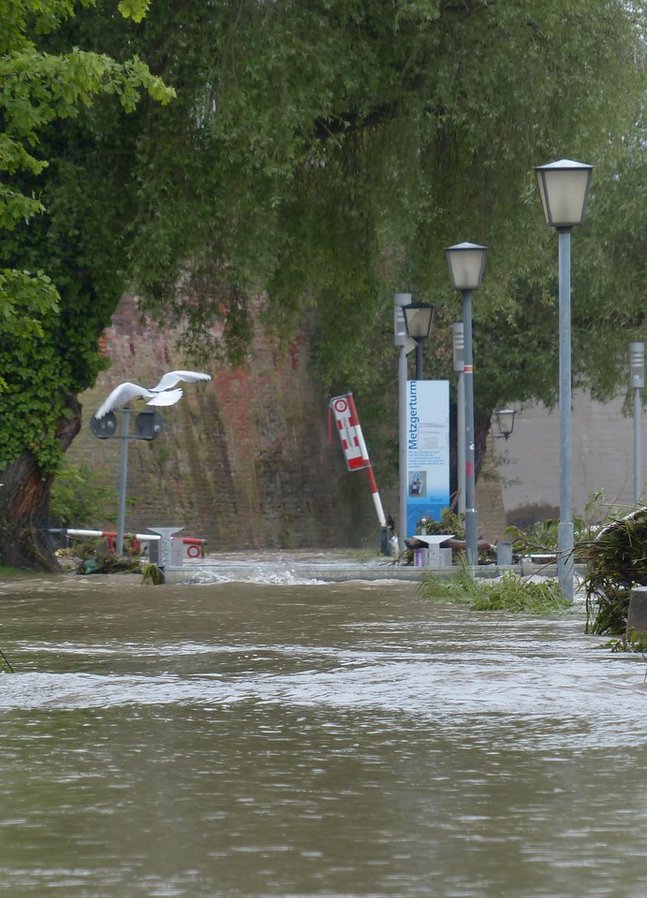
A short story about a town that floods every spring, and the one resident who refuses to leave.