
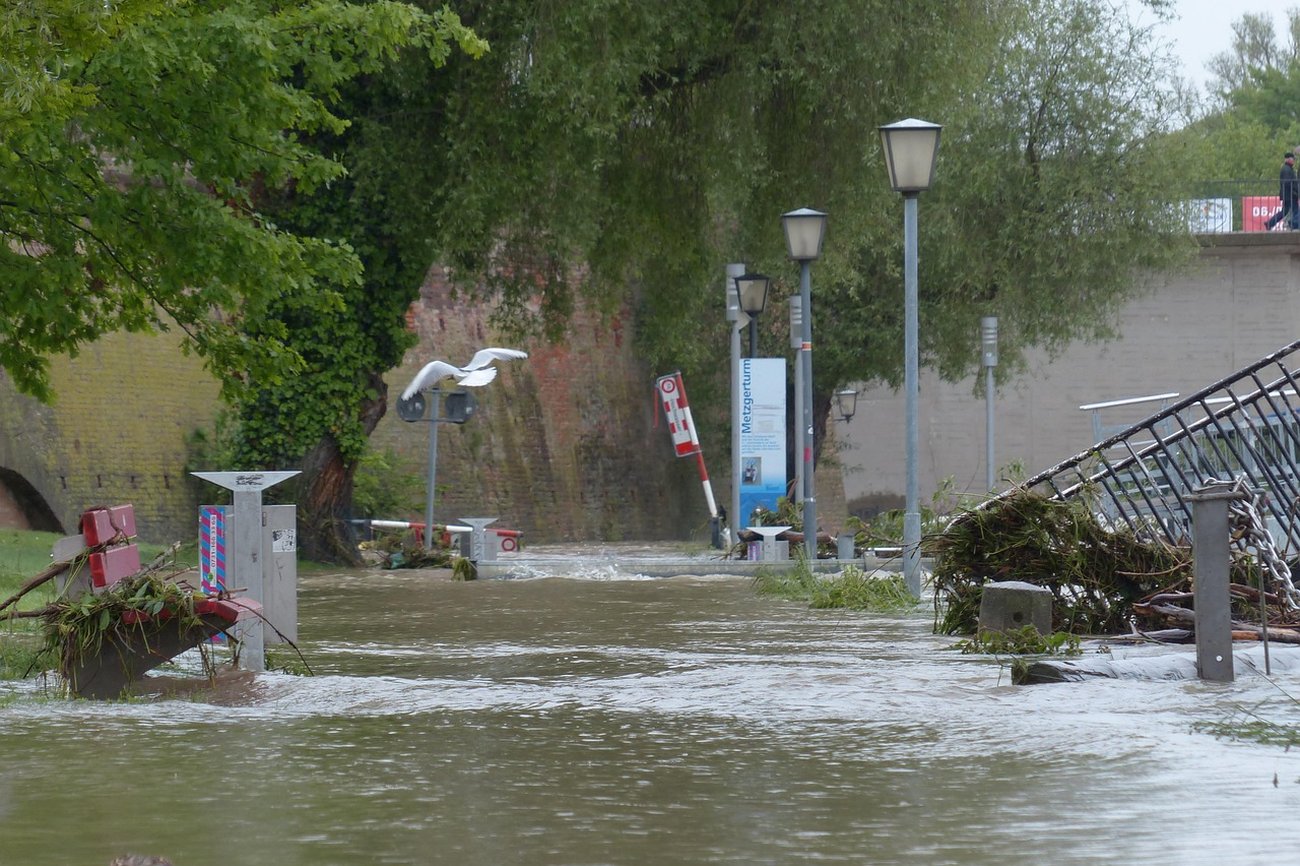

The Woman Who Fed the Herons
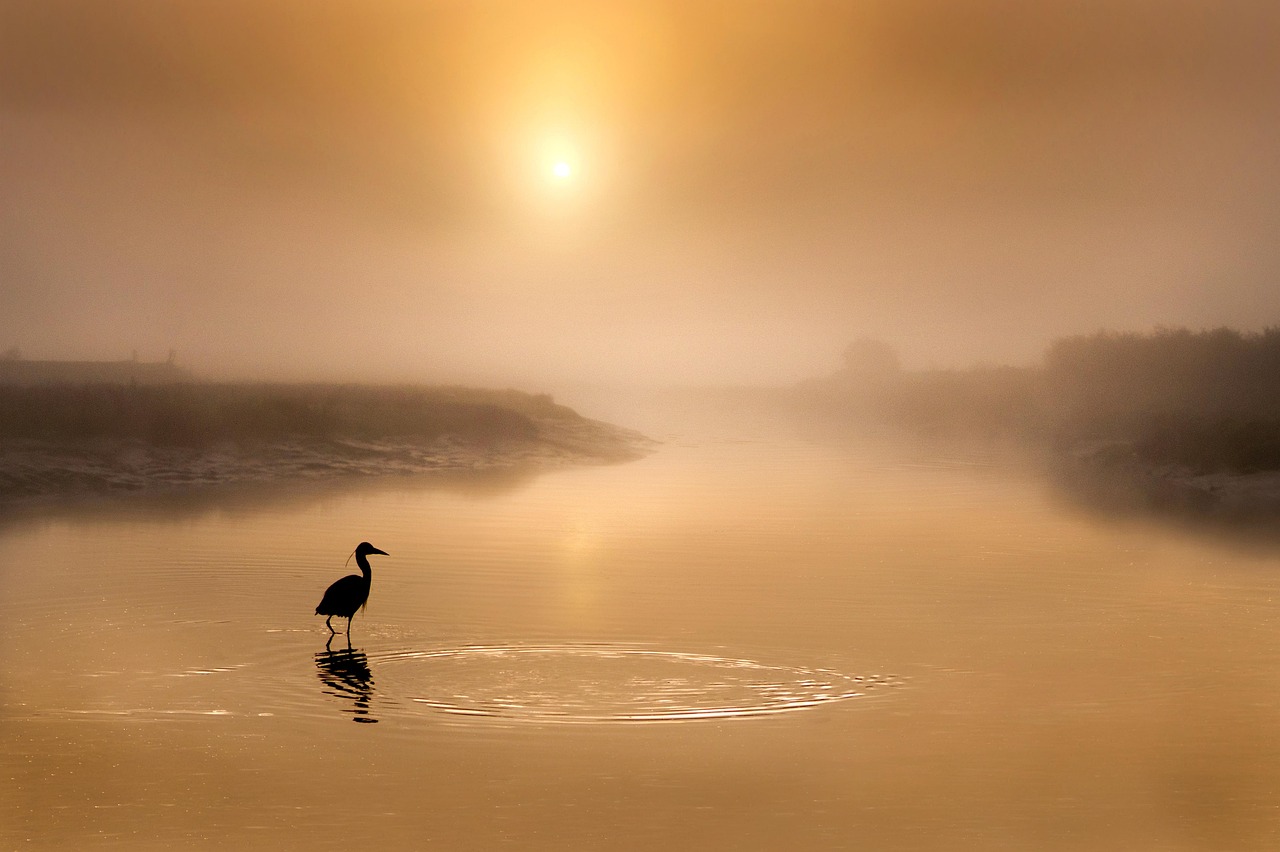
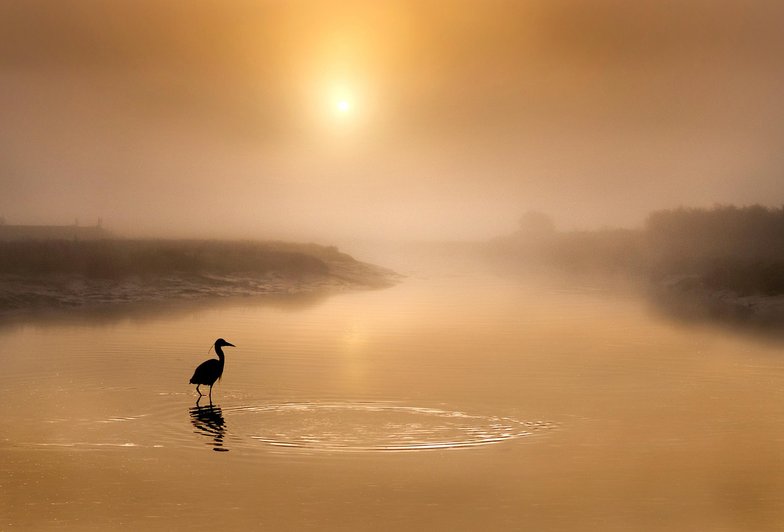
They called her the Heron Lady, though nobody knew her name, and she never corrected them. She arrived at the bend of the river every morning at six, wearing a canvas jacket the color of wet slate, carrying a galvanized bucket that had once held paint. Inside the bucket: small fish, bought the day before from a market two towns over, kept alive in a cooler overnight. She had been doing this for thirty years.
The herons knew her before they saw her. They knew the sound of her boots on the gravel path, the particular rhythm of her walk, which was slow but not hesitant. They would gather on the far bank—three, four, sometimes seven of them—and wait with the elaborate dignity that herons possess, as if they had merely happened to be standing there and had no interest whatsoever in the bucket.
She never named them. This was a point of pride. Other people who fed birds gave them names—the fat one, the one with the crooked wing, the one who comes on Tuesdays. She refused. A name, she believed, was a kind of ownership, and she did not own these birds. She only visited them. There was a difference, and she had spent most of her life learning it.
The Folded Paper
What the townspeople did not know was that she had started coming here after her son died. He had been six years old and had loved herons more than anything—had drawn them on every surface, had insisted on stopping at this very bend on every car ride, had once told her that herons were the only birds who knew how to stand still. She had brought him here the week before the accident. He had counted four herons and been disappointed there were not more.
She had started feeding them the following spring, not as a memorial exactly, but as a continuation. He would have wanted them fed. He would have wanted them to come back. And they did come back, year after year, generation after generation, until she could no longer tell which heron was the descendant of which, and it stopped mattering.
On the last morning of her life—though she did not know it was the last—she walked down the gravel path with her bucket and found nine herons waiting. More than she had ever seen. They stood in a loose line along the far bank, facing her, and for a long moment nobody moved. Then she reached into the bucket and began to toss the fish, one by one, into the shallow water, and the herons stepped forward, and the river kept flowing, and the morning light came down through the trees the way it always had.
In her jacket pocket was a folded piece of paper. On it, in a six-year-old's handwriting, was a drawing of a heron. It had been there for thirty years. It was still there when they found her, sitting on the bank, facing the water.
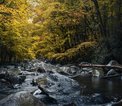



For thirty years she came to the same bend of the river, and the birds came to her.
The cold months strip a river down to its essentials, and teach you to see what summer hides.
A prose poem about lying awake beside a river and learning that darkness has its own current.
A tiny fable about a girl who collects river water in a jar and discovers it remembers where it came from.
An essay about the lost art of moving through water without urgency, and what the river notices.