


Notes on Wading Slowly

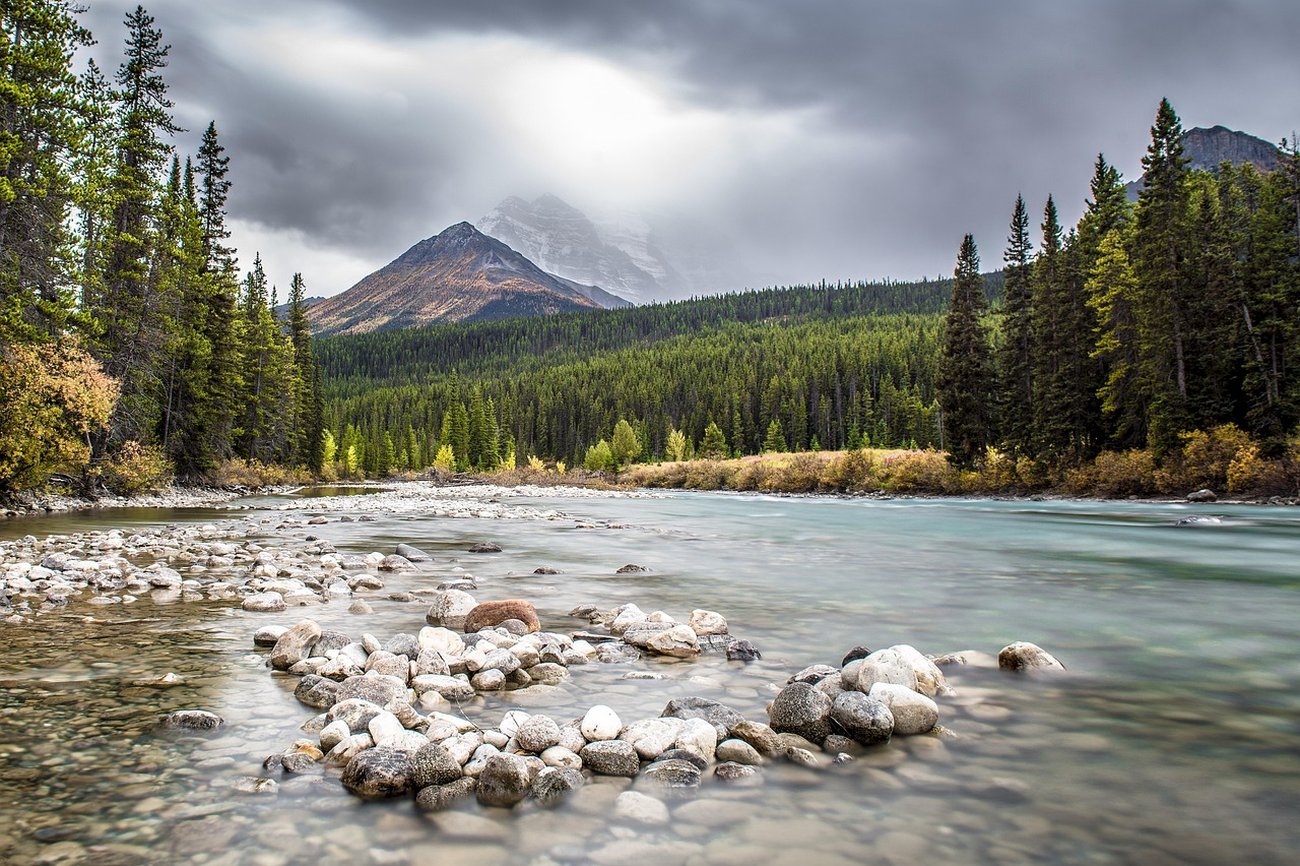
The first rule of wading is that you cannot hurry. This is not a moral instruction. It is a physical fact. Water resists speed. Push against it and it pushes back. Lean into it and you will fall. The river does not care about your schedule.
I learned this the way most people learn it — by falling in. I was nineteen, crossing a shallow run in the Cascades with a backpack I had no business carrying, and I tried to step quickly from one rock to the next. The rock was slick. The current was stronger than it looked. I went down hard, and the river took my hat, and I sat in the cold water for a long minute, laughing at myself, while my friend on the bank told me I looked like a drowned cat.
Since then, I have made a study of wading slowly. Not because I am wise, but because I am stubborn, and I wanted to stop falling.
The Body Learns What the Mind Forgets
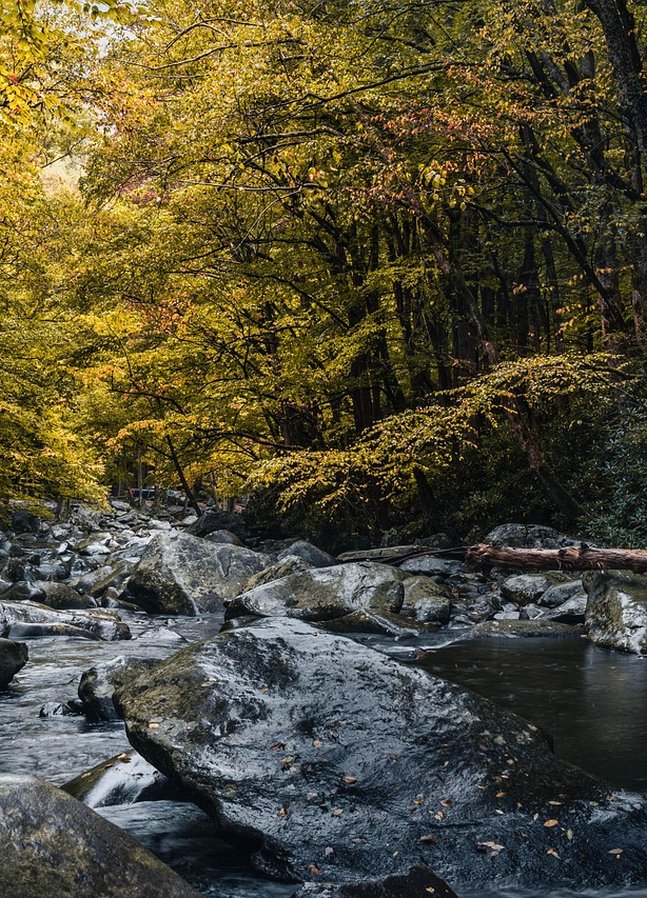
When you wade slowly, you notice things. You notice the way the current presses against your shins in a steady, insistent way, like a hand on your chest saying wait. You notice the temperature difference between the water at your ankles and the water at your knees. You notice the way the riverbed changes under your feet — sand, then gravel, then a stretch of smooth cobbles that shift and click against each other as you pass.
You notice the sound. Not the big sound of the river as a whole, but the small sounds: the hiss of water around your legs, the gurgle of an eddy, the sudden pop of a bubble rising from the silt. The river is full of small conversations. You only hear them when you stop moving fast enough to make your own noise.
I have waded the same stretch of river dozens of times now. I know where the deep hole is. I know where the current will try to take my feet out from under me. I know the exact rock where a small rainbow trout likes to hold, just downstream of a fallen log. I know these things because I stopped trying to cross the river and started trying to be in it.
What the River Notices
Here is what I have come to believe: the river notices. Not in a mystical way. In a practical one. When you move slowly, you disturb less. When you disturb less, the creatures around you relax. The heron on the far bank stops watching you. The trout returns to its holding lie. The water striders resume their skating. You become, for a little while, part of the furniture.
This is not a small thing. Most of us spend our lives moving too fast to be part of anything. We pass through places without entering them. We cross rivers without ever being in them. We arrive at the far bank dry and unchanged.
But the river offers another way. It says: slow down. It says: feel the bottom before you commit your weight. It says: the far bank is not going anywhere. You have time.
I do not always listen. I still rush sometimes. I still fall in. But I am learning. The river is patient. The river has been teaching this lesson for a very long time.






An essay about the lost art of moving through water without urgency, and what the river notices.
A short story about a town that floods every spring, and the one resident who refuses to leave.
An essay on the different kinds of quiet you can find along a river, and how to listen for each one.
A retired mapmaker spends his mornings charting a creek that refuses to stay where he drew it.
On the year I lived beside a river that was always on its way somewhere else.