


A Field Guide to River Silence
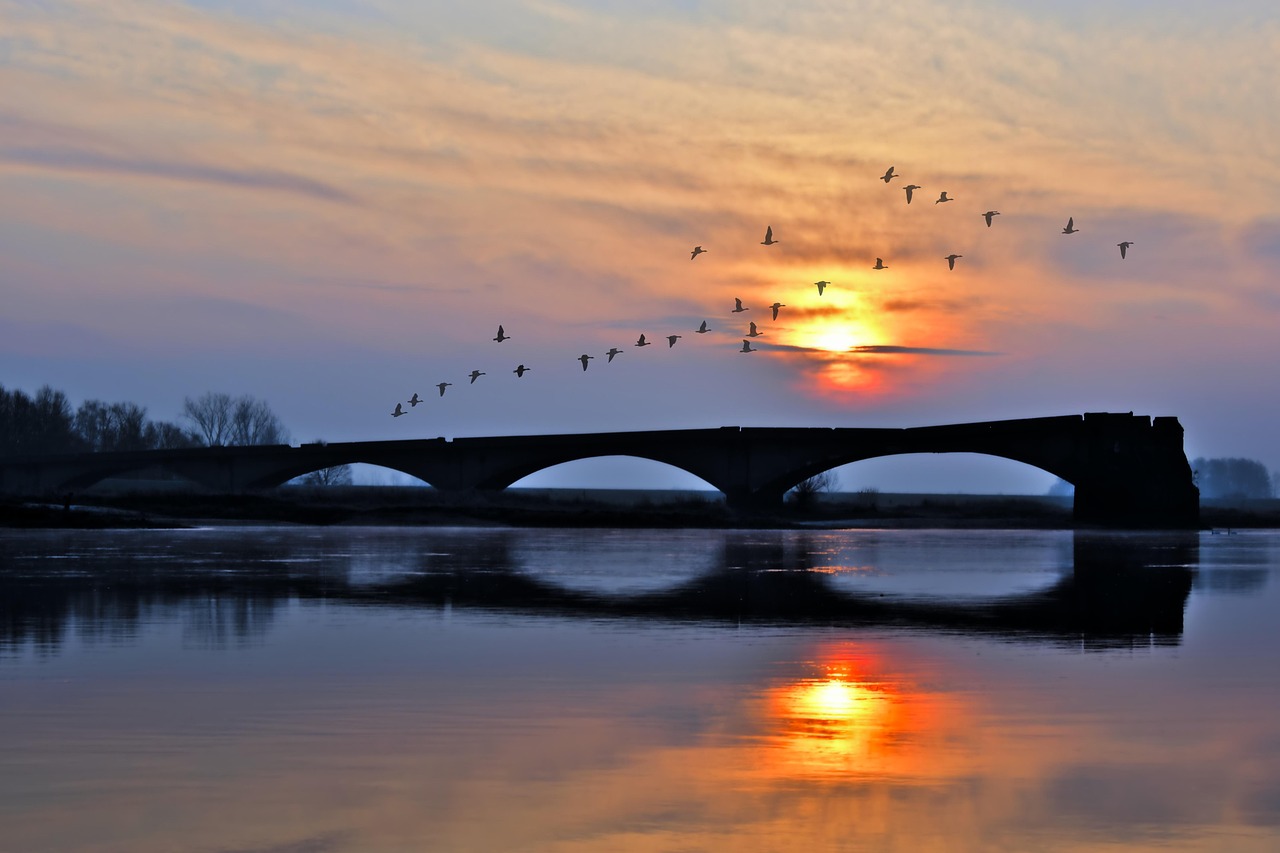
People say the river is loud. They mean the rapids, the falls, the places where water throws itself against rock and shouts. But most of a river is not loud. Most of a river is quiet, and the quiet comes in varieties. If you spend enough time on the bank, you start to hear them.
I have been keeping a list. It is not a scientific list. It is a personal one, kept in the back of a notebook that has been rained on more than once. But it is accurate, I think, in the way that any careful attention is accurate.
The Five Silences
The silence of the deep pool. This is the quietest water on the river. A deep pool does not move much on the surface, and what movement there is happens slowly, almost invisibly. Stand beside a deep pool in the early morning and you will hear almost nothing — just the faintest lapping against the bank, the occasional plink of a rising fish, the hum of insects. The silence here is not empty. It is full. It is the silence of a room where someone is sleeping.
The silence of the riffle. This is not silence at all, strictly speaking. A riffle chatters. It talks. But it talks in a way that cancels itself out — a thousand tiny sounds overlapping until they become one steady, soothing wash. The silence of the riffle is the silence of a crowd. You can hear it, but you can also hear through it. It does not block other sounds. It carries them.
The silence of the eddy. An eddy is a place where the river turns back on itself, and the sound it makes is circular — a low, rotating murmur that seems to come from everywhere and nowhere at once. Stand beside an eddy and you will feel slightly dizzy, as if the ground is turning. The silence of the eddy is the silence of a thought you cannot quite finish.
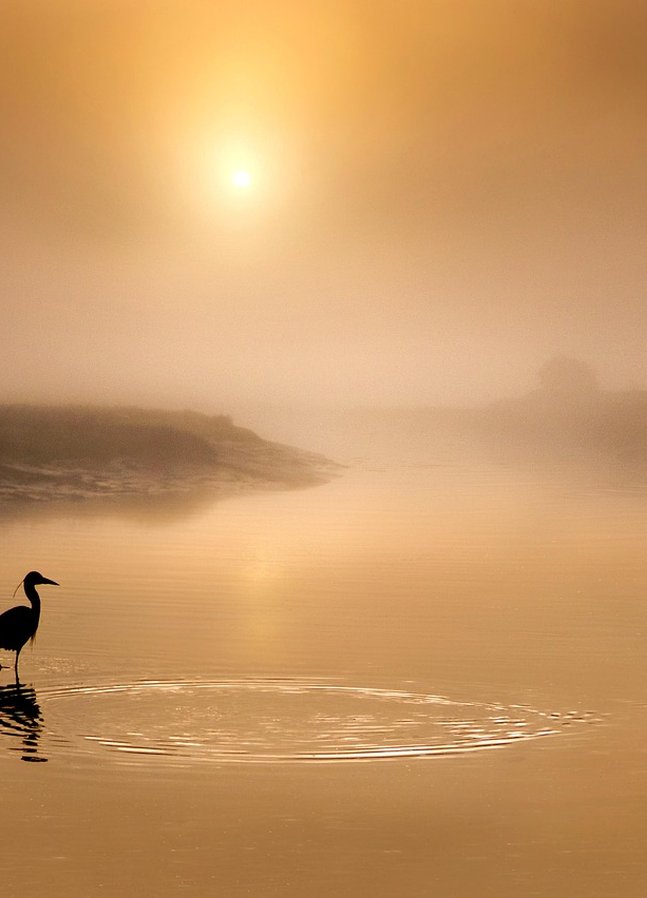
The silence of the fog. On foggy mornings, the river disappears. You can hear it — you can always hear it — but you cannot see it, and the not-seeing changes the hearing. Sounds come to you without their sources. A splash. A bird call. The drip of water from an overhanging branch. The silence of the fog is the silence of a story told in the dark.
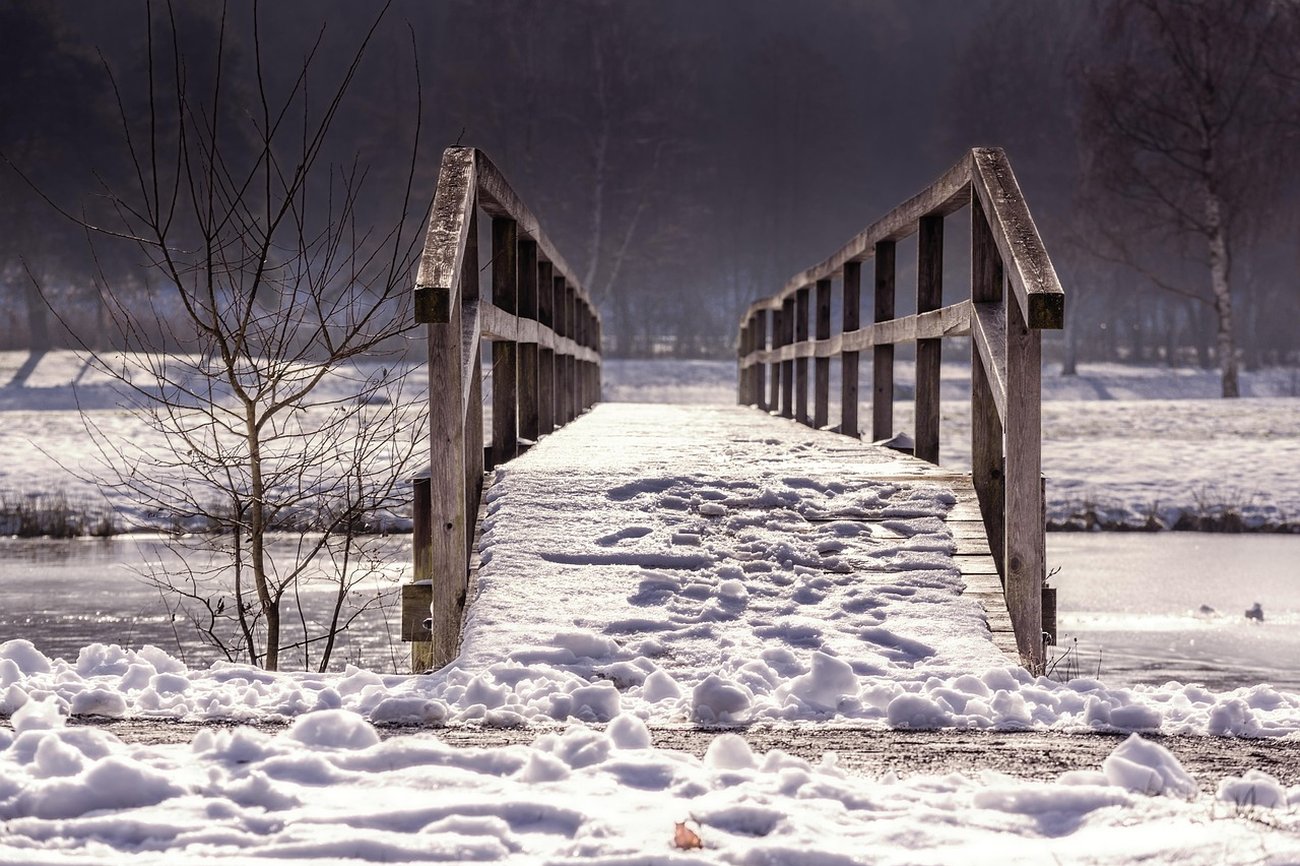
The silence of winter. When the river freezes at the edges and the current runs low and slow, the whole valley goes quiet. The birds are gone. The insects are gone. The frogs are gone. What is left is the river itself, moving under a skin of ice, making a sound so low you feel it in your chest more than hear it in your ears. The silence of winter is the silence of a held breath.
How to Listen
The trick to hearing river silence is not to try. Trying is loud. Instead, sit down. Stay still. Let your attention wander. Let it land on whatever it lands on — a leaf turning in an eddy, a dipper bobbing on a rock, the way the light moves across the surface of the water. Do not name what you hear. Just hear it.
The river has been making these sounds for a very long time. It will keep making them after you leave. But for a little while, if you are quiet enough, you can be part of the listening. That is the whole field guide. That is the whole practice. That is enough.






An essay on the different kinds of quiet you can find along a river, and how to listen for each one.
A retired mapmaker spends his mornings charting a creek that refuses to stay where he drew it.
On the year I lived beside a river that was always on its way somewhere else.
A poem for the late-summer river, when the stones remember what the current forgot.
For thirty years she came to the same bend of the river, and the birds came to her.